Menu

Technical Services Works

Technical services works encompass a wide range of specialized services that support the functionality, efficiency, and safety of various systems and infrastructures in residential, commercial, and industrial settings. These services include but are not limited to, electrical, plumbing, HVAC (heating, ventilation, and air conditioning), telecommunications, and IT services. Contractors specializing in technical services must ensure high-quality workmanship, compliance with industry standards, and timely project completion. Here are the detailed aspects and key responsibilities of technical services works contracting:

Detailed Aspects of Technical Services Works

1. Project Planning and Design:

  • Collaborating with clients, architects, and engineers to determine the scope and specifications of technical services projects.
  • Conducting site assessments to evaluate conditions, requirements, and potential challenges.
  • Developing detailed project plans, blueprints, and timelines.

2. Material Procurement:

  • Sourcing high-quality materials, tools, and equipment necessary for the project.
  • Ensuring all materials meet specified standards and design preferences.
  • Negotiating with suppliers to obtain the best prices and terms.

3. Cost Estimation and Budgeting:

  • Preparing detailed cost estimates for materials, labor, and equipment.
  • Managing the project budget to ensure cost-effectiveness without compromising quality.
  • Monitoring expenses and making necessary adjustments to stay within budget.

4. Installation and Maintenance:

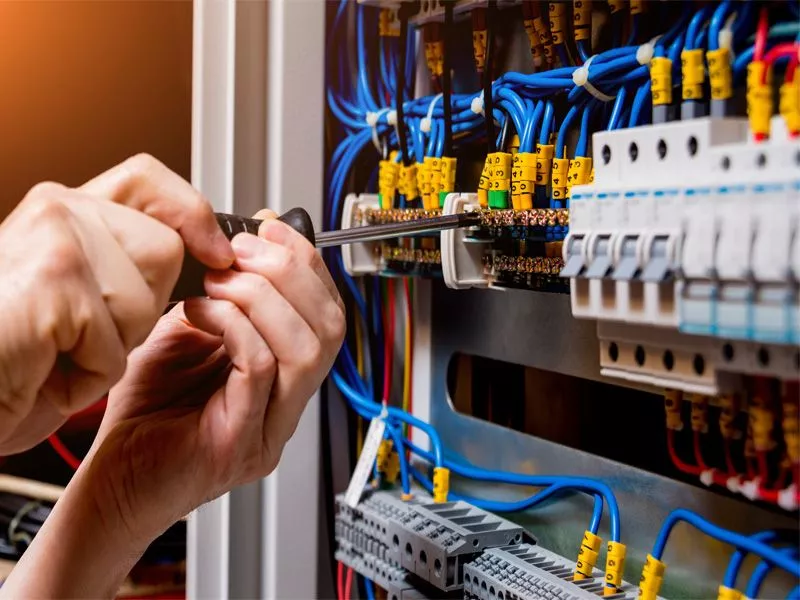
  • Electrical Services: Installing and maintaining electrical systems, including wiring, lighting, and control panels.
  • Plumbing Services: Installing and maintaining plumbing systems, including pipes, fixtures, and water heaters.
  • HVAC Services: Installing and maintaining heating, ventilation, and air conditioning systems.
  • Telecommunications and IT Services: Installing and maintaining communication and data networks, including cabling, servers, and routers.

5. System Integration:

  • Integrating various technical systems to ensure seamless operation and compatibility.
  • Coordinating with other trades to ensure efficient installation and functionality of integrated systems.
  • Testing and commissioning systems to verify proper operation and performance.

6. Safety and Compliance:

  • Ensuring all work complies with relevant safety standards, codes, and regulations.
  • Conducting regular safety inspections and implementing necessary precautions.
  • Maintaining up-to-date knowledge of industry standards and best practices.

7. Quality Control:

  • Implementing stringent quality assurance processes to ensure high standards.
  • Conducting inspections to verify the integrity and performance of installed systems.
  • Addressing any issues or defects promptly to maintain high-quality standards.

8. Repair and Emergency Services:

  • Providing prompt repair services for malfunctioning or damaged systems.
  • Offering emergency services to address urgent technical issues and minimize downtime.
  • Implementing preventative maintenance programs to extend the lifespan of systems.

9. Communication and Coordination:

  • Acting as the main point of contact between clients, architects, engineers, and workers.
  • Facilitating clear and effective communication among all parties involved.
  • Providing regular updates to clients on project status and addressing any concerns.

10. Project Completion and Handover:

  • Conducting final inspections and addressing any remaining punch list items.
  • Ensuring all contractual obligations are fulfilled before project handover.
  • Providing clients with necessary documentation, user manuals, and maintenance guidance.