Menu

Wallpaper Fixing Works

Wallpaper fixing involves the precise installation of wallpaper on interior walls to enhance the aesthetic appeal of residential and commercial spaces. This work requires attention to detail, knowledge of various wallpaper types, and expertise in preparation and application techniques. Contractors specializing in wallpaper fixing are responsible for ensuring a seamless, high-quality finish that meets client expectations. Here are the detailed aspects and key responsibilities of wallpaper fixing works contracting:

Detailed Aspects of Wallpaper Fixing Works​

1. Project Planning and Design:

  • Collaborating with clients, interior designers, and architects to select appropriate wallpaper designs and patterns.
  • Conducting site assessments to evaluate wall conditions and necessary preparations.
  • Developing detailed project plans and timelines.

2. Material Procurement:

  • Sourcing high-quality wallpaper, adhesives, and necessary tools.
  • Ensuring all materials meet specified standards and design preferences.
  • Negotiating with suppliers to obtain the best prices and terms.

3. Cost Estimation and Budgeting:

  • Preparing detailed cost estimates for materials, labor, and equipment.
  • Managing the project budget to ensure cost-effectiveness without compromising quality.
  • Monitoring expenses and making necessary adjustments to stay within budget.

4. Surface Preparation:

  • Cleaning and smoothing walls to ensure proper adhesion of wallpaper.
  • Repairing any cracks, holes, or uneven areas on walls.
  • Applying primers or sealants as needed to enhance adhesion and durability.

5. Measuring and Cutting:

  • Accurately measuring wall dimensions to determine the required amount of wallpaper.
  • Cutting wallpaper to size, ensuring patterns match seamlessly across sections.
  • Preparing wallpaper strips and arranging them for efficient application.

6. Wallpaper Application:

  • Applying adhesive to the wallpaper or walls, depending on the type of wallpaper.
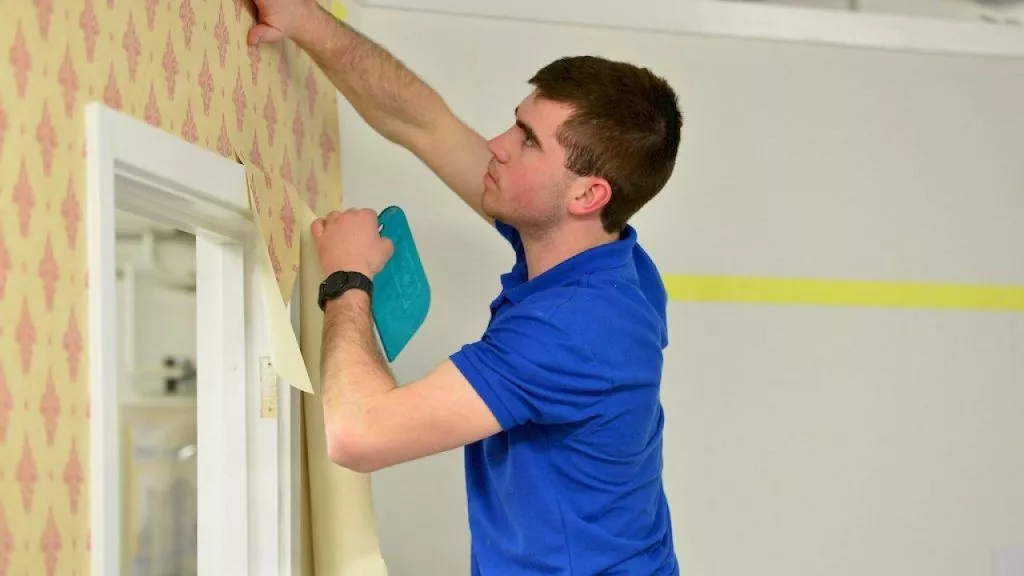
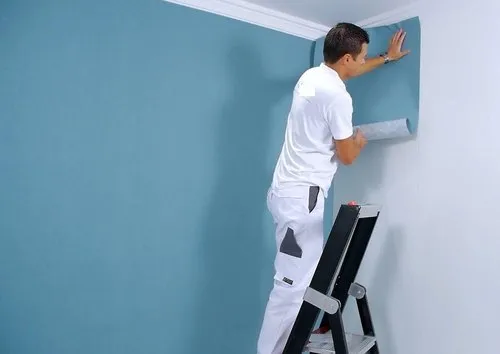
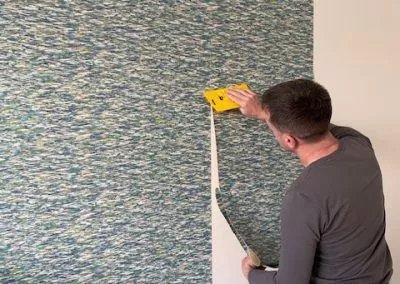
  • Carefully positioning and smoothing wallpaper strips to avoid bubbles and wrinkles.
  • Ensuring patterns align perfectly and edges are precisely trimmed.

7. Finishing and Detailing:

  • Removing excess adhesive and ensuring a clean finish.
  • Inspecting the installation to ensure consistency and quality.
  • Addressing any imperfections or adjustments needed for a flawless finish.

8. Quality Control:

  • Implementing stringent quality assurance processes to ensure high standards.
  • Conducting inspections to verify the integrity and appearance of the wallpaper installation.
  • Addressing any issues or defects promptly to maintain high-quality standards.
  •  

8. Communication and Coordination:

  • Acting as the main point of contact between clients, interior designers, and workers.
  • Facilitating clear and effective communication among all parties involved.
  • Providing regular updates to clients on project status and addressing any concerns.

10. Project Completion and Handover:

  • Conducting final inspections and addressing any remaining punch list items.
  • Ensuring all contractual obligations are fulfilled before project handover.
  • Providing clients with necessary documentation and maintenance guidance.